Cars
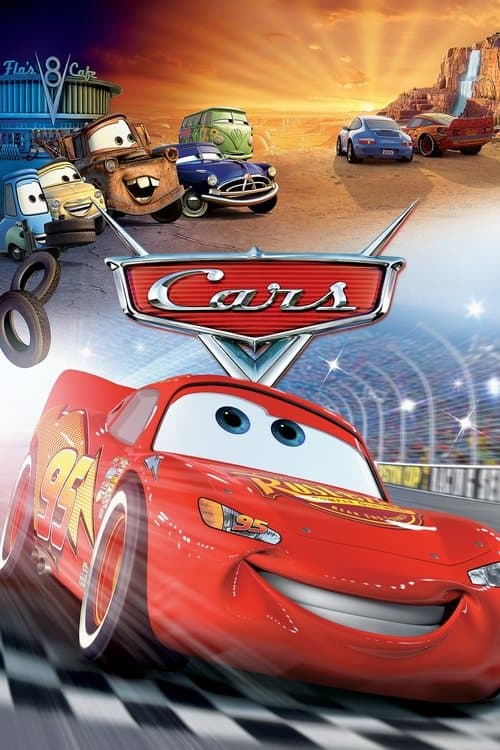
Pixar’s road trip tale follows Lightning McQueen, a rising race car whose obsession with winning leads him to a forgotten desert town along Route 66 after a chance detour leaves him stranded. Forced to slow down and repair the damage he’s caused, McQueen gradually forms connections with the town’s residents, including the wise Doc Hudson and the spirited Sally. As he begins to understand the value of community over individual success, his definition of winning is fundamentally challenged. Directed by John Lasseter, the film trades high-speed spectacle for a more reflective pace, blending Americana nostalgia with character-driven storytelling. Beneath its racing premise lies a meditation on ambition, humility, and the importance of slowing down to find meaning.
Why it matters
- Cars shifts Pixar’s focus toward a more contemplative narrative, emphasizing character growth and atmosphere over fast-paced plotting.
- Its portrayal of Route 66 and small-town decline reflects broader themes of modernization, nostalgia, and forgotten communities.
- The film demonstrates Pixar’s ability to explore quieter, more reflective storytelling while maintaining emotional accessibility.
Watch for
- Lightning McQueen’s initial arrogance and gradual transformation as he adapts to life in Radiator Springs.
- Doc Hudson’s backstory, which reframes the film’s themes of legacy, loss, and second chances.
- The detailed world-building that brings a human-like society of cars to life with humor and authenticity.
- The final race, where McQueen’s choices reflect his changed values and redefine what it means to win.