Inside Out
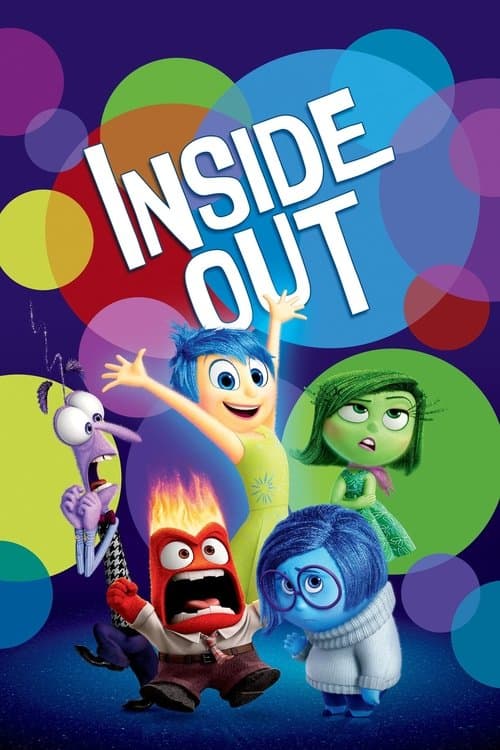
Pete Docter’s inventive and emotionally layered film explores the inner mind of Riley, an 11-year-old girl struggling to adjust to a sudden move across the country, where her emotions—Joy, Sadness, Anger, Fear, and Disgust—work together to guide her through the transition. When Joy and Sadness are accidentally swept away from Headquarters, Riley’s emotional balance begins to unravel, forcing both emotions to navigate the vast landscape of her memories and personality. As her external world grows more uncertain, the film reveals the complexity of emotional growth and the necessity of embracing difficult feelings. Blending imaginative world-building with psychological insight, Inside Out becomes a poignant exploration of identity, memory, and the role emotions play in shaping who we are.
Why it matters
- Inside Out brings abstract psychological concepts into a tangible narrative, making emotional and cognitive processes accessible and relatable.
- Its emphasis on the value of sadness challenges traditional storytelling by presenting vulnerability as essential to growth.
- The film represents one of Pixar’s most conceptually ambitious works, merging imaginative storytelling with emotional authenticity.
Watch for
- The visual representation of Riley’s mind, including core memories and personality islands.
- The evolving dynamic between Joy and Sadness, which drives the film’s central emotional arc.
- The depiction of memory formation and loss, adding depth to the film’s themes of change and identity.
- The final emotional reconciliation, where the film’s message about balance and acceptance comes into focus.