Toy Story 3
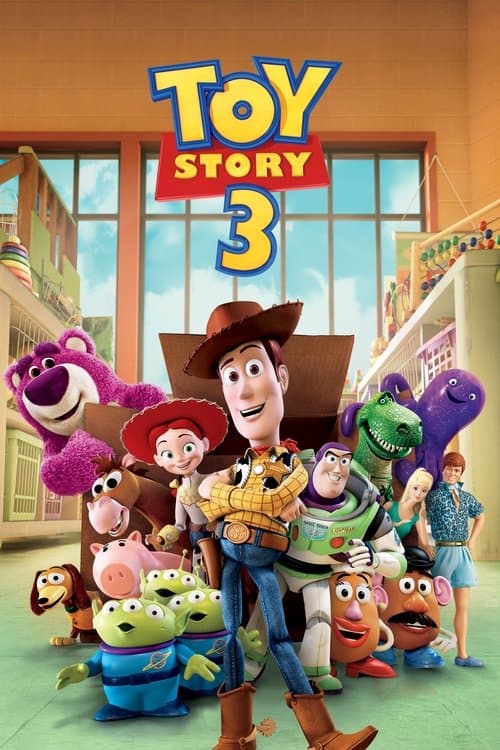
Pixar’s third installment finds Woody, Buzz, and the rest of Andy’s toys facing an uncertain future as their owner prepares to leave for college, forcing them to confront the possibility of being left behind. After a mix-up sends them to a daycare center, what initially appears to be a fresh start quickly reveals a rigid and oppressive system controlled by the deceptively gentle Lotso. As the group struggles to escape and return home, Woody must decide whether his loyalty lies with Andy or with the toys who depend on him. Directed by Lee Unkrich, the film balances humor, suspense, and emotional weight, building toward a powerful meditation on change, loyalty, and letting go. Toy Story 3 stands as a rare sequel that deepens its characters while delivering a meaningful sense of closure.
Why it matters
- Toy Story 3 explores themes of transition and impermanence, reflecting the emotional reality of growing up and moving on.
- Its darker tone and heightened stakes demonstrate Pixar’s willingness to evolve alongside its audience.
- The film is widely regarded as a benchmark for concluding a long-running story with emotional depth and narrative satisfaction.
Watch for
- The daycare’s initial warmth contrasted with its underlying structure, revealing a system built on control and hierarchy.
- Lotso’s character and backstory, which reframe the film’s themes of abandonment and resentment.
- The group’s escape sequence, blending tension, humor, and precise coordination.
- The final moments between Andy and the toys, where themes of closure, identity, and letting go come fully into focus.